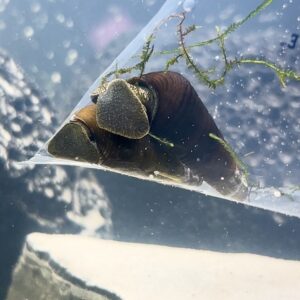
Land snails are quiet, low-cost, endlessly watchable pets, and a well-built terrarium keeps them healthy with very little daily effort. The goal is a humid, escape-proof enclosure with deep moist substrate, a reliable calcium source, and — ideally — a bioactive cleanup crew to keep it self-maintaining. Here is how to set one up.
1. Choose the right container
A glass tank or clear plastic tub with a secure, ventilated lid works well. Snails need horizontal floor space more than height, plus some ventilation to prevent stagnant, moldy air — but not so much that humidity escapes. A locking lid matters: snails are surprising climbers.
2. Add a deep, moist substrate
Use a few inches of a soft, chemical-free substrate such as coconut coir or a coir-and-topsoil mix. Depth matters because many snails burrow to rest and to lay eggs. Keep it damp like a wrung-out sponge — moist, never waterlogged.
3. Set the humidity and temperature
Most popular land snails prefer high humidity (around 70–90%) and comfortable room temperatures. Mist the enclosure with dechlorinated water as needed to keep the substrate and air humid. Avoid direct sun and heat sources, which dry the tank out fast.
4. Provide a calcium source
Calcium is non-negotiable for shell growth and repair. Place a cuttlebone in the terrarium so snails can rasp at it freely; crushed eggshell or a calcium block works too. A snail with a healthy shell is a snail getting enough calcium.
5. Add plants and hides
Live plants (pothos, ferns) or sturdy artificial ones give cover and climbing surfaces, along with cork bark, leaf litter, or a half log for hiding. This also makes the terrarium far nicer to look at.
6. Build the bioactive cleanup crew
Add springtails and isopods to consume waste, mold, and uneaten food. This “cleanup crew” turns the enclosure into a small self-sustaining ecosystem and dramatically cuts maintenance — the same bioactive principle used in dart frog and gecko vivariums.
7. Feed and maintain
Offer fresh leafy greens, cucumber, and other snail-safe vegetables, removing uneaten food before it spoils. Spot-clean waste, keep the substrate moist, and refresh calcium as it is used up. That is nearly the whole routine.
A note on species and legality: some snails — notably giant African land snails — are restricted or illegal to keep in parts of the world, including the United States. Always confirm which species are legal in your area before acquiring one.
Find substrate, cuttlebone, cleanup crews, and bioactive supplies in our terrarium shop, and browse species care in the SpeciesVault Nature Database.