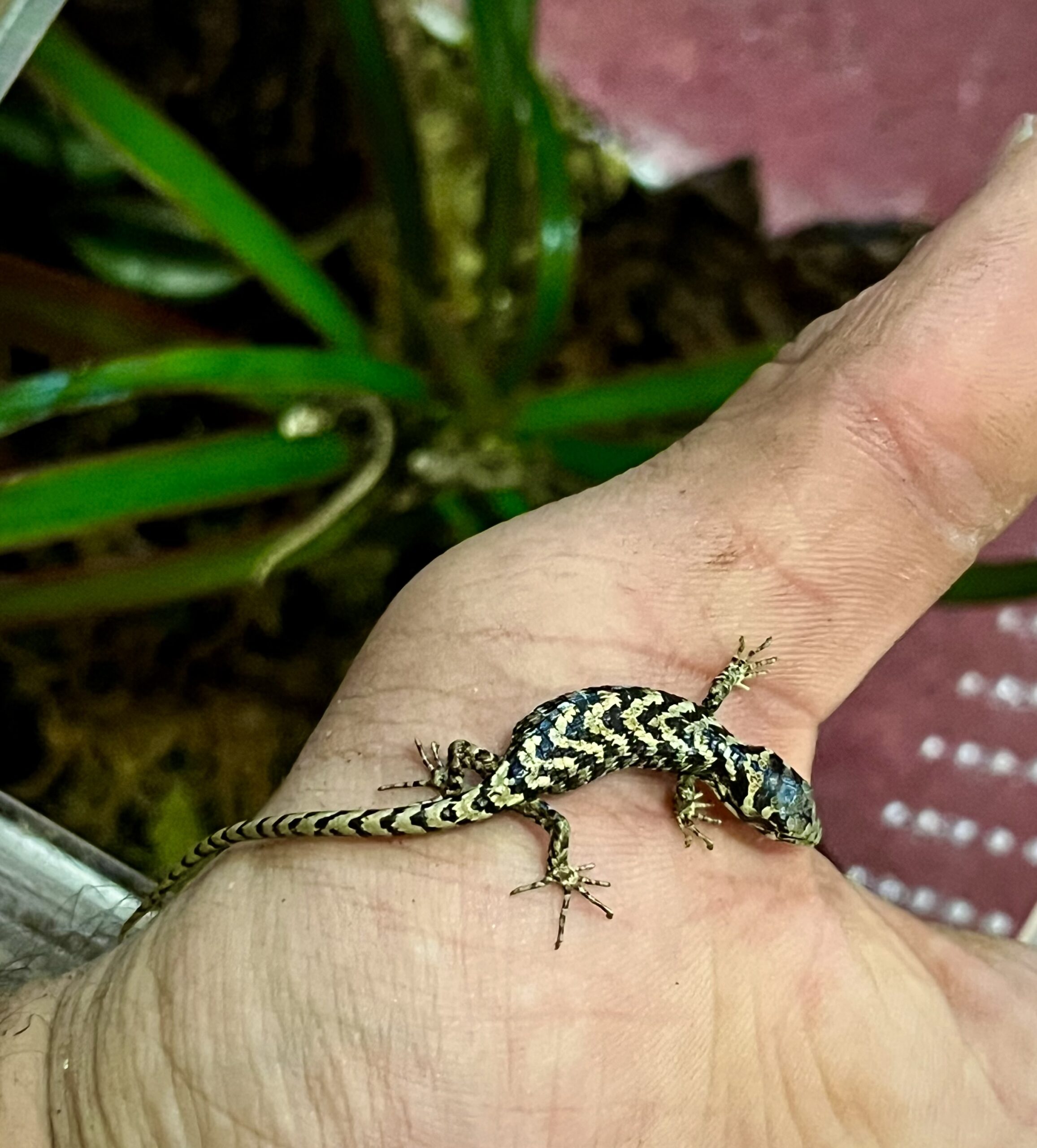
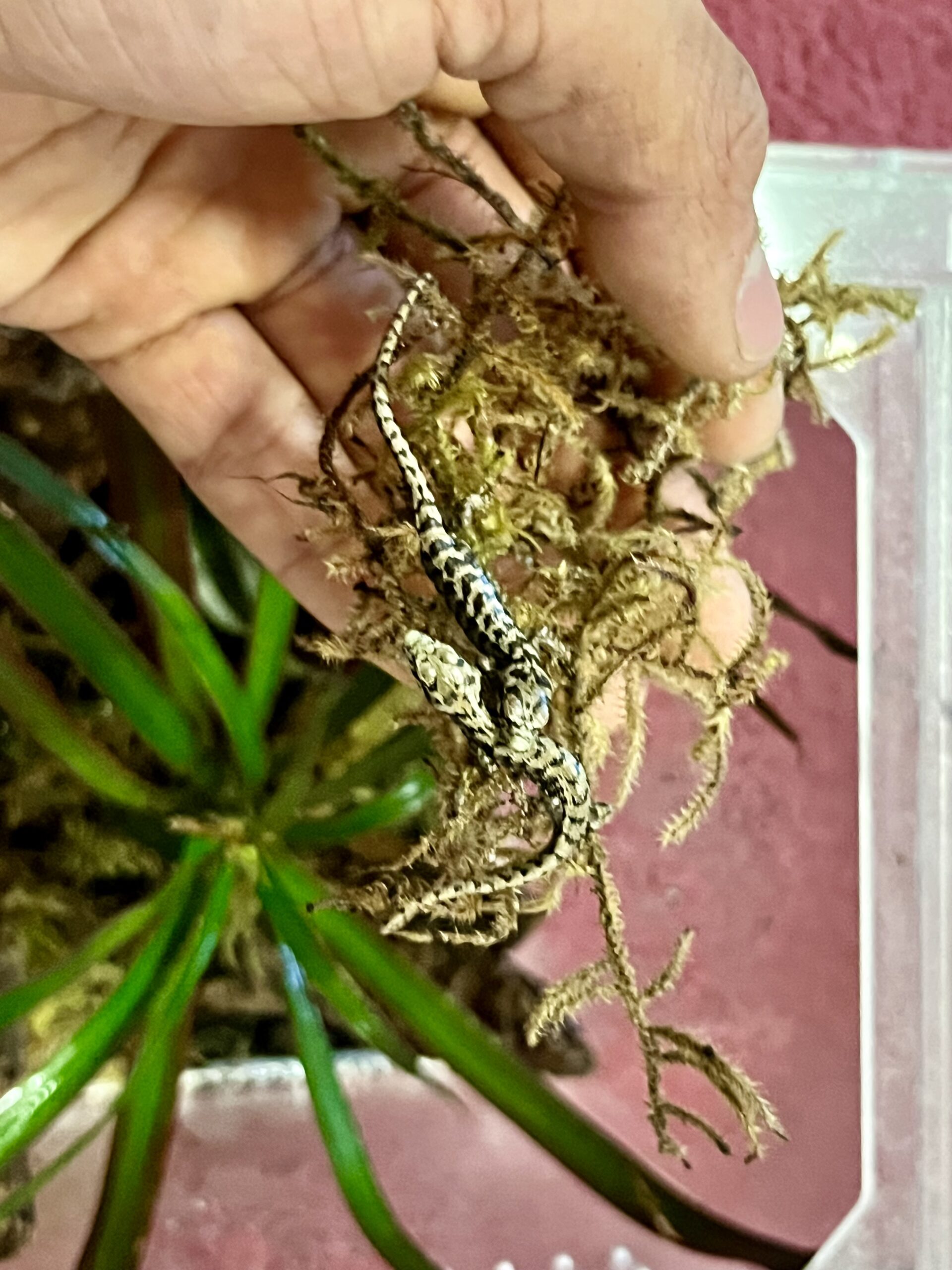
Abronia graminea

Abronia graminea Mexican Alligator Lizard For Sale

$600.00

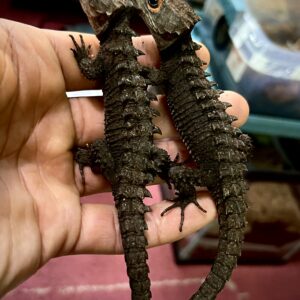
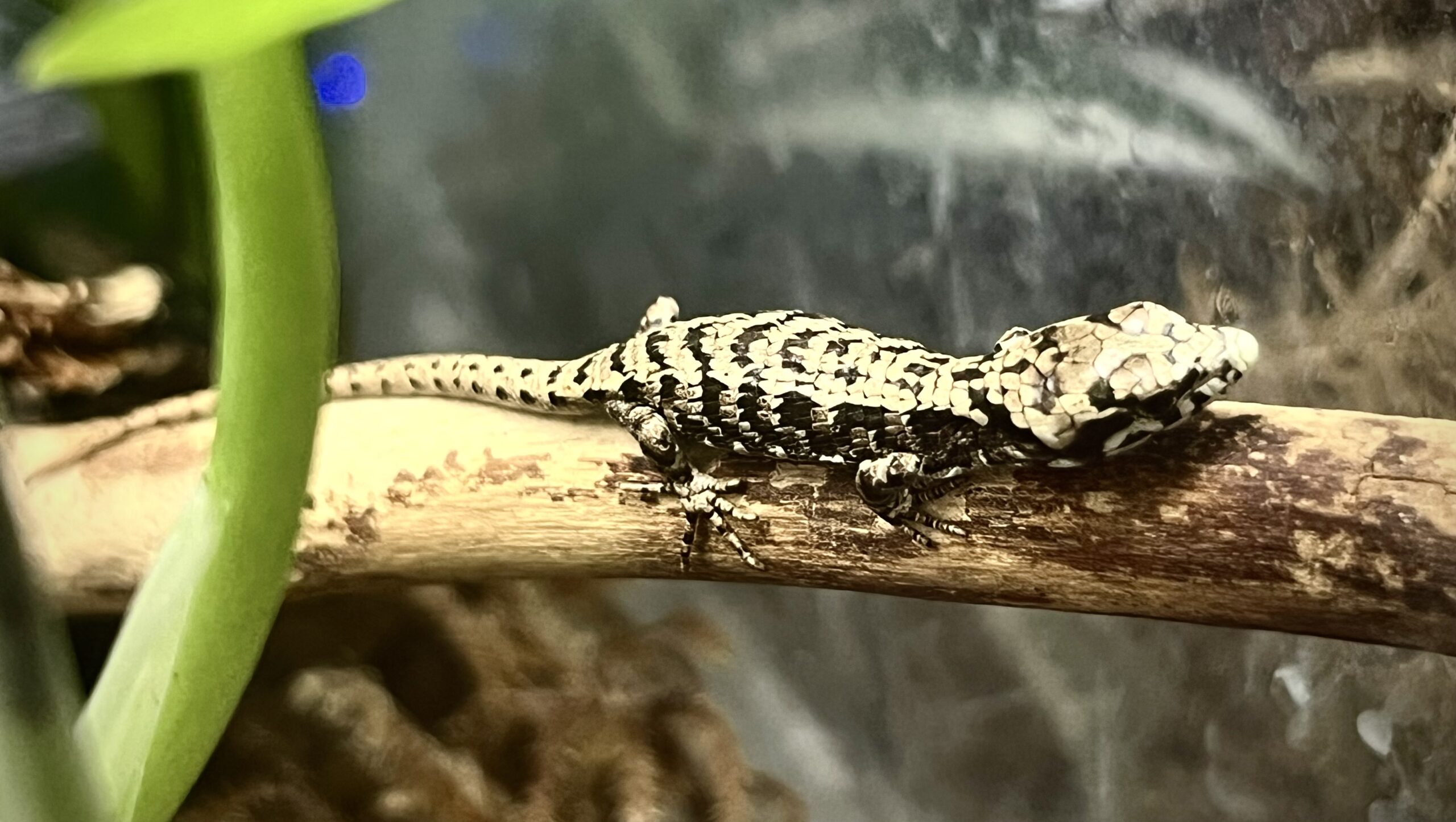
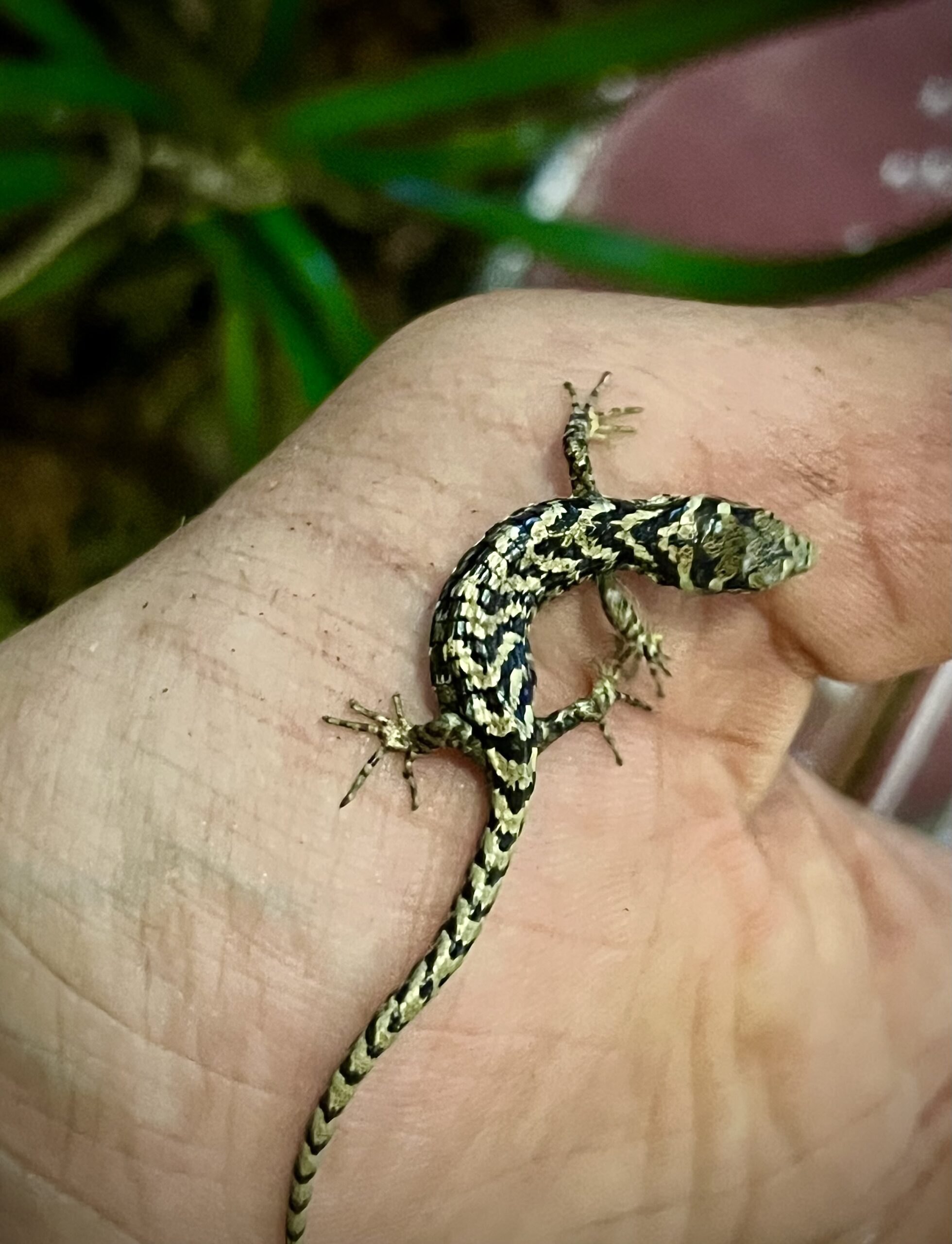
Captive-bred Abronia graminea — the Mexican alligator lizard. Babies. CITES Appendix II and IUCN Endangered, which makes captive-bred provenance the whole point.

Availability: 8 in stock

SKU: TS-LZ-004 Category: Brand:

Abronia graminea is an arboreal lizard from the cloud forests of Veracruz and Puebla, Mexico. It is listed as Endangered on the IUCN Red List and is on CITES Appendix II, with habitat loss and collection both implicated in its decline.

That is precisely why captive breeding matters for this species. These are captive-bred babies from our own animals — no wild-collected stock, and no ambiguity about where they came from.

Care

  • Temperature: COOL. This is a cloud-forest species and it does not tolerate heat — sustained high temperatures are the most common cause of death in captivity
  • Enclosure: tall and heavily planted, with good ventilation and climbing structure
  • Humidity: high, with daily misting and a drying cycle rather than stagnant damp
  • Food: appropriately sized insects, well supplemented
  • Experience: intermediate to advanced — the temperature requirement is unforgiving

Captive bred. Babies. Shipping or local pickup only.

Reviews

There are no reviews yet.

Be the first to review “Abronia graminea Mexican Alligator Lizard For Sale”

Your email address will not be published. Required fields are marked *

Documented lineage

This animal is recorded in our open registry as accession 310.

Provenance record

TS-LIZ-0001

Species
Abronia graminea
Origin
Captive bred

This animal has a permanent record in SpeciesVault, our open registry of origin and lineage.

Care questions

What setup does a crocodile skink need?
A humid, heavily planted enclosure with deep leaf litter, plenty of cover and a shallow water area they can enter. They are semi-aquatic and secretive — visible hides and a moisture gradient matter more than floor space.
Are crocodile skinks handleable?
They are a display animal rather than a handling animal. Crocodile skinks are easily stressed, can vocalise when alarmed, and may drop their tail. They are best appreciated in a well-planted enclosure where they will behave naturally.
Why does my crocodile skink hide constantly?
That is normal behaviour, not a problem. In the wild they spend most of their time under leaf litter and near water. A skink with enough cover will emerge more often than one in a sparse enclosure, because it feels secure enough to.

Further reading

Scroll to Top