
Lizards
Showing all 7 results
- Lizards
Ambon Sailfin Dragon (Hydrosaurus amboinensis) For Sale
Price range: $300.00 through $825.00 This product has multiple variants. The options may be chosen on the product page - Lizards
Fire Skink (Lepidothyris fernandi) For Sale
Price range: $60.00 through $165.00 This product has multiple variants. The options may be chosen on the product page - Lizards
Mexican Alligator Lizard (Abronia graminea) For Sale
Price range: $600.00 through $1,650.00 This product has multiple variants. The options may be chosen on the product page - Lizards
Red Eyed Crocodile Skink (Tribolonotus gracilis) For Sale
Price range: $250.00 through $690.00 This product has multiple variants. The options may be chosen on the product page - Lizards
Red Uromastyx (Uromastyx geyri) For Sale
Price range: $250.00 through $690.00 This product has multiple variants. The options may be chosen on the product page - Lizards
Smooth Helmeted Iguana (Corytophanes cristatus) For Sale
Price range: $120.00 through $330.00 This product has multiple variants. The options may be chosen on the product page - Lizards
White Eyed Crocodile Skink (Tribolonotus novaeguineae) For Sale
Price range: $200.00 through $550.00 This product has multiple variants. The options may be chosen on the product page

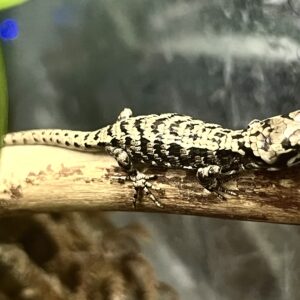
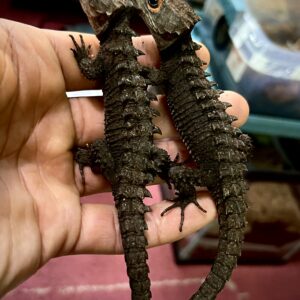
This category covers the lizards that sit outside the gecko groups — arboreal alligator lizards, skinks and similar species. They are grouped by what they are, not by shared husbandry, so the requirements differ sharply between listings and the individual product page is the authority. Two things do generalise. First, most of these species are less tolerant of handling than a crested gecko and are better kept as display animals with secure hides. Second, several are cool-climate or cloud-forest species rather than desert animals, which means sustained high temperatures are a genuine risk rather than a comfort. Check the species’ native elevation and climate before assuming a basking bulb is appropriate. Some species in this group carry international protection. Where an animal is CITES-listed or assessed as threatened on the IUCN Red List, the listing states so, because provenance matters both legally and ethically for those taxa.
